
The Role of Luck in Casino Games
In the world of casinos, luck plays a pivotal role in determining the outcomes of various games. Whether you’re spinning the reels of a slot machine or placing bets on a blackjack table, the element of chance is always at the forefront. Many players enter a casino hoping to strike it rich, believing that luck will be on their side as they enjoy online pokies and other gaming options. This belief often shapes their attitude and approach to gaming, influencing how they engage with the environment, whether it’s a land-based venue or an online platform. The expectation of good fortune creates an atmosphere of excitement that is palpable as players gather to try their luck.
Players often attribute their success to luck; after all, winning a jackpot or hitting a winning hand requires a favorable outcome that is beyond their control. However, this reliance on luck can result in fluctuating emotions, with players oscillating between highs of winning and lows of losing. This emotional rollercoaster can lead to impulsive betting behaviors, as players chase after their next lucky streak, often forgetting the strategic elements that certain games may require. The thrill of winning can be intoxicating, yet it’s essential to recognize that luck can be unpredictable, leading to a cycle of hope and disappointment.
Moreover, luck can create memorable experiences that keep players returning to the casino. For instance, a first-time player might win big on their initial visit, leaving them with a lasting impression that fuels their desire to play again. This cycle of luck and memory makes the casino experience unique for everyone, as the feeling of winning—however random it may be—creates a bond between the player and the game. These stories of unexpected wins often become cherished memories, contributing to the allure of gambling and the desire to recreate such experiences in the future.
The Psychology Behind Luck and Gambling
The psychology of gambling is deeply intertwined with the concept of luck. Many gamblers develop a belief in “good luck charms” or superstitions that they feel can influence their outcomes. This belief system can range from wearing lucky socks to placing bets only during specific times that they associate with positive outcomes. Such behaviors highlight a psychological need to regain a sense of control in an unpredictable environment where luck dictates results. Players often find comfort in these rituals, believing they can sway fortune in their favor, even if such actions have no effect on the actual probabilities.
Furthermore, the phenomenon known as “cognitive bias” plays a significant role in how players perceive their luck. Gamblers often remember their big wins while downplaying their losses, leading to an inflated sense of how often they rely on luck. This selective memory can fuel the desire to return to the casino, as players recall their lucky moments and believe that they can replicate these experiences. However, the reality is that the odds are designed to favor the house, making luck a fickle friend. This disconnect between perception and reality can lead to continued gambling, even in the face of repeated losses.

Social interactions within the casino environment also influence a player’s perception of luck. Sharing stories of wins and losses with fellow gamblers can create a sense of camaraderie where people feel that they are part of a lucky community. This interaction can enhance the overall experience, making players feel more optimistic about their chances. Ultimately, the psychological factors surrounding luck contribute significantly to how people engage with and enjoy the casino experience. The sense of belonging that comes from sharing these moments can amplify the highs and soften the lows, impacting how players view their overall luck.
The Impact of Luck on Strategies and Decision-Making
Luck can often overshadow strategic decision-making in casino games, especially in games that require skill, such as poker or blackjack. While luck may initially dictate the outcome of a hand, experienced players know that strategy and skill can significantly influence long-term results. However, when players are riding a wave of good luck, they might overlook strategic plays that could enhance their outcomes, relying instead on their fortunate streak. This reliance on luck can create a false sense of security that may lead to strategic oversights in critical moments.
This reliance on luck can lead to poor decision-making, particularly in high-stakes situations where careful calculations are necessary. For instance, a player may decide to double down on a blackjack hand due to prior success, ignoring basic strategy recommendations. This focus on luck can result in greater losses when the tides turn, revealing that while luck is a charming aspect of the game, it should not entirely replace sound gambling strategies. The challenge lies in maintaining a balance between enjoying the thrill of luck and adhering to the strategic principles that govern successful play.
Interestingly, the balance between luck and strategy can provide players with valuable lessons about risk and reward. Understanding when to take risks can be as crucial as recognizing when to play it safe. Players often learn that luck can fluctuate, and while they may experience a series of wins, the importance of making strategic decisions remains a vital component of achieving lasting success in the casino environment. This awareness can ultimately lead to a more disciplined approach to gambling, allowing players to harness both luck and strategy effectively.
Experiencing Luck: The Thrill and the Chase
The thrill of gambling often centers around the anticipation of luck. The excitement that comes from spinning a slot machine or rolling the dice is fueled by the hope that fortune will favor the bold. For many, this thrill is as significant as the win itself, creating an addictive quality that makes casinos an alluring destination. The adrenaline rush of waiting for the outcome can lead to a euphoric high, which many players seek to replicate. This chase for excitement is a fundamental aspect of the gambling experience, drawing individuals into the vibrant world of casinos.
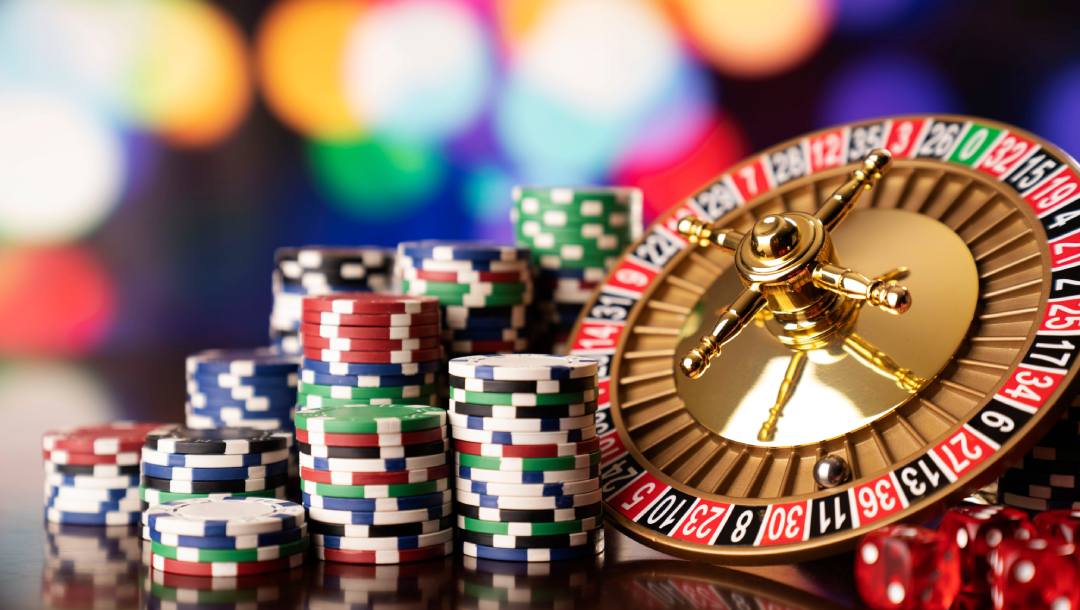
Chasing luck can also become a double-edged sword. While the potential for winning creates excitement, it can lead to adverse behaviors, such as gambling addiction. Players may find themselves returning to the casino time and again, hoping for a repeat of past fortunes. Unfortunately, this chase can result in significant financial losses and emotional distress, as players grapple with the reality that luck is inherently unpredictable. Recognizing the fine line between enjoyment and obsession is crucial for maintaining a healthy relationship with gambling.
However, the thrill of luck isn’t solely about the money. Many players find joy in the social aspects of gambling, such as celebrating wins with friends or family. This shared experience can create a sense of belonging and community, enhancing the overall enjoyment of casino visits. As players navigate their luck, they often find that the camaraderie and shared excitement are just as rewarding as any financial gain. The emotional connections forged in these moments can become lasting memories that shape a player’s view of gambling as a whole.
Understanding Your Casino Experience Online
In the digital age, online casinos have made it easier than ever to access gambling from the comfort of your home. However, the interplay of luck and skill remains unchanged. Online players experience the same thrill as those in physical casinos, but the convenience can alter their perception of luck. Instant access to games can lead to impulsive betting, where players may chase lucky streaks without fully considering their strategies. This immediacy can enhance the excitement but also blur the line between informed decisions and reckless gambling.
Additionally, the randomness of online games hinges on sophisticated algorithms known as Random Number Generators (RNGs). These systems ensure that every spin or deal is entirely random, removing any physical cues that might influence a player’s belief in personal luck. This detachment can create an environment where players feel less connected to the outcomes, possibly diminishing the emotional highs that come from playing in a traditional setting. Understanding the mechanics behind online games can help players develop a more realistic perspective on their luck.
Ultimately, understanding luck’s role in your online casino experience can lead to more balanced gameplay. By recognizing that luck may fluctuate, players can adopt a more responsible gaming approach, combining enjoyment with strategy. As the online landscape continues to evolve, maintaining awareness of how luck influences outcomes will remain vital for creating a fulfilling and enjoyable gaming experience. This awareness can empower players to make informed decisions, allowing them to enjoy their time while managing the risks associated with gambling.